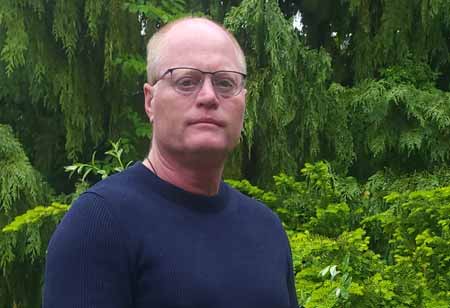







 Maria Luchey, Project Manager, Roadway Design, Keck & Wood
Maria Luchey is a Project Manager at Keck & Wood, leading public-sector roadway design projects. With experience across state DOTs and the USDOT, she combines technical expertise, regulatory knowledge and systems-oriented leadership to deliver accountable, sustainable infrastructure solutions.
Systems-Oriented Leadership in Roadway Design
My approach to roadway design and project management has been shaped by experience across state departments of transportation, federal oversight and now public-sector consulting leadership. Each stage of my career has strengthened both my technical foundation and my strategic perspective.
I began as an intern with the South Carolina Department of Transportation (SCDOT) in geotechnical engineering, analyzing bridge foundation investigations. That early experience grounded me in engineering fundamentals and data-driven decision-making. After graduation, I joined the North Carolina Department of Transportation (NCDOT), completing rotational assignments in roadway design, environmental services and traffic engineering. Those rotations taught me that transportation systems are inherently interconnected—geometric design, environmental compliance and traffic operations must work together.
At the Georgia Department of Transportation (NCDOT), I first worked in environmental services, where I gained insight into regulatory processes and community impacts. I later transitioned into roadway design, where I spent nearly a decade developing plans across Georgia. That experience strengthened my expertise in geometrics, drainage, right-of-way coordination and constructability under a structured project delivery framework.
Serving as a General Engineer and Project Manager with the USDOT-Federal Transit Administration Region 4 broadened my perspective further. Overseeing federally funded projects across multiple southeastern states reinforced the importance of compliance, financial stewardship and long-term performance accountability.
“Roadway design is not simply geometric layout and drainage calculations—it is public infrastructure that directly impacts communities.”
Today, as a Project Manager in roadway design at Keck & Wood, I lead public-sector transportation projects for state and local agencies. I manage multidisciplinary teams, oversee schedules and budgets and ensure that technical solutions align with environmental responsibility and funding expectations. What has shaped me most is learning to see projects from both the oversight and delivery perspectives. That dual lens has built a systems-oriented approach rooted in technical rigor, accountability, and responsible infrastructure development.
Technical Precision and Community Awareness
Roadway design is not simply geometric layout and drainage calculations—it is public infrastructure that directly impacts communities. Balancing technical precision with community and environmental considerations requires intentional integration, not after-the-fact mitigation.
In practice, this means involving stakeholders early, coordinating closely with environmental planners and understanding stormwater regulations such as MS4 post-construction requirements. Drainage design, for example, is no longer only about hydraulic capacity; it must also consider downstream impacts, water quality treatment and regulatory compliance.
Community engagement is equally critical. Roadway improvements affect access, safety and sometimes livelihoods. Transparent communication and responsiveness to concerns build trust. From my experience, the most successful projects are those where engineering decisions are explained clearly and community feedback is treated as data—not as opposition.
Technical precision builds credibility. Community awareness builds acceptance. Both are required for successful delivery.
Challenges in Transportation Design Team
Transportation teams today face three major challenges: funding complexity, regulatory expansion and workforce transitions.
First, federal and state transportation funding programs have become increasingly competitive and compliance-driven. Securing roadway funding now requires strong benefit-cost justification, clear performance metrics, equity considerations and detailed documentation to demonstrate long-term public value. Local and state governments must understand grant strategy, eligibility requirements and funding timelines to position projects successfully. Funding is no longer simply allocated—it must be strategically pursued. As a result, transportation professionals must think beyond technical design and understand how financial strategy and policy alignment influence which projects ultimately move forward.
Second, regulatory requirements, particularly environmental and stormwater, continue to evolve. Teams must integrate NEPA coordination, utility conflicts, right-of-way timing and post-construction water quality requirements while maintaining schedules.
Finally, the workforce itself is changing. We are managing multigenerational teams, hybrid work environments and rapid digital transformation. Strong communication and mentoring are more important than ever.
The Evolution of Roadway Design in a Digital Era
Roadway design is undergoing a transformation driven by digital engineering tools, data analytics and integrated delivery models. 3D modeling platforms, GIS integration and digital plan production workflows are reshaping how we coordinate across disciplines.
We are moving from static plan sets toward data-rich models that support lifecycle management. Digital design environments improve constructability, grading precision and coordination with utilities and drainage systems. They also support more informed decision-making earlier in project development.
The engineer of today must be comfortable navigating both traditional design standards and emerging digital tools.
Guiding Aspiring Transportation Engineers
For professionals aspiring to leadership roles in transportation engineering and design, my advice is threefold:
1. Master the Fundamentals. Leadership credibility begins with technical competence. Understand drainage, geometrics, specifications, and constructability before attempting to manage others.
2. Learn the Funding and Policy Landscape. Infrastructure decisions are increasingly shaped by federal and state policy. Understanding grant requirements, compliance frameworks, and performance metrics will distinguish you as a strategic leader.
3. Develop Emotional Intelligence. Leadership is not only about delivering projects; it is about developing people. Mentorship, communication, and the ability to navigate difficult conversations are as critical as technical expertise.
Finally, stay curious. The transportation field is evolving rapidly. Continuous learning—whether through professional organizations, certification or digital innovation—ensures relevance and impact.
Roadway design is more than infrastructure—it is legacy. As engineers, we shape not just corridors, but communities and generations to come.