

Transforming AEC Workflows with AI-Driven 3d Floor Plan Software

Transforming AEC Workflows with AI-Driven 3d Floor Plan Software

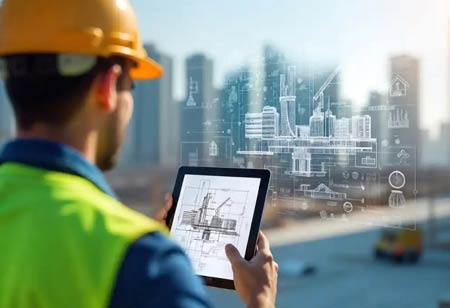
The architecture, engineering, and construction (AEC) industries have advanced beyond experimental digital tools into an era of autonomous precision. At the forefront of this change is the AI-driven 3D floor plan. Modern 3D floor plans are now data-rich environments, with every millimeter calculated, validated, and optimized by advanced machine learning algorithms.

Field Intelligence for Modern Construction

Construction firms continue to confront a persistent disconnect between the office systems that track projects and the field crews responsible for executing them. Digital platforms have improved planning, documentation and reporting across the sector, yet many systems remain oriented toward administrative workflows rather than daily jobsite realities.

Strategic Evolution of Advanced Flooring Technologies in Modern Construction

Strategic Evolution of Advanced Flooring Technologies in Modern Construction

Flooring technology in construction has evolved from a purely aesthetic and structural component into a strategic performance layer that influences durability, sustainability, cost efficiency, safety, and lifecycle value. Modern construction evaluates it as an engineered system that directly impacts operational expenditures, environmental compliance, occupant health, and long-term asset valuation.

Licensing Innovation in Flooring Technology

Licensing Innovation in Flooring Technology

Executives in the flooring sector face a market defined by rapid product turnover, rising consumer expectations and mounting pressure to differentiate beyond price. Installation simplicity, visual authenticity and speed to market have become central to growth, particularly as rigid core LVT and related segments expand. In this environment, technology development has shifted from a peripheral function to a strategic lever. Companies that control distinctive intellectual property, and can move it efficiently through manufacturing and retail channels, hold a measurable advantage.

Enhancing Collaboration and Compliance: Remote Virtual Inspection in Modern Construction

Enhancing Collaboration and Compliance: Remote Virtual Inspection in Modern Construction

Remote virtual inspection platforms enhance construction efficiency, safety, collaboration, and compliance while supporting digital transformation and sustainable, future-ready project delivery.

Modern construction projects are becoming increasingly complex, fast-paced, and digitally driven. From skyscrapers to transit infrastructure, projects involve stakeholders distributed across cities, regions, or even continents. Traditional inspection models — only achievable through on-site presence — have struggled to keep pace with these demands.

Remote Inspections at Scale: Bringing Discipline and Visibility to Modern Construction

Remote Inspections at Scale: Bringing Discipline and Visibility to Modern Construction

Construction leaders face a persistent disconnect between the pace of project execution and the systems that govern permitting and inspections. Growth across residential and commercial builds has outstripped the capacity of many local authorities, leaving contractors to absorb delays that compound labor costs, disrupt schedules and blur accountability. Inspection backlogs, fragmented permit tracking and inconsistent requirements across municipalities create friction that even well-run organizations struggle to manage. For executives responsible for modernizing inspection workflows, the challenge is less about adopting another tool and more about restoring predictability, visibility and control across a process that has long resisted standardization.

Building Smarter: The Advantages of Cloud-Driven Lumber Procurement

Building Smarter: The Advantages of Cloud-Driven Lumber Procurement

The construction sector is undergoing a profound procurement transformation as cloud-based lumber purchasing platforms redefine how materials are sourced, priced, and managed. Traditionally, lumber procurement relied on fragmented workflows involving phone negotiations, manual approvals, delayed pricing updates, and limited supply visibility. As project complexity grows and supply chains face persistent volatility, these legacy methods are proving inadequate. Cloud-driven platforms are now central to modern procurement strategies, enabling construction firms to move from reactive purchasing to data-driven, predictive sourcing models that improve cost control, transparency, and operational resilience.

Optimizing Efficiency in Construction Project Management Systems

Optimizing Efficiency in Construction Project Management Systems

The construction industry has grown tremendously over the years, with increasing demand for infrastructure, urbanization, and technological advancements driving the need for efficient project management systems. A robust Construction Project Management System (CPMS) is vital in streamlining operations, reducing costs, and ensuring project completion within stipulated timelines. Various growth factors contribute to the expansion of CPMS adoption, including digital transformation, government initiatives, sustainability concerns, and an emphasis on data-driven decision-making.

Top