THANK YOU FOR SUBSCRIBING
× 
Construction Tech Review Weekly Brief
Be first to read the latest tech news, Industry Leader's Insights, and CIO interviews of medium and large enterprises exclusively from Construction Tech Review

Construction fleet management requires more than knowing where machines are located. Contractors must understand how equipment is being used, when maintenance is due and whether assets are contributing effectively to projects. Fragmented records and limited visibility can make these questions difficult to answer across multiple job sites.
EquipmentShare (NASDAQ: EQPT) addresses these challenges through T3, its proprietary technology platform that connects equipment, people and jobsite information within a centralized digital environment. By combining telematics hardware with fleet management software and equipment rental services, the company gives contractors a more complete picture of their construction assets.
Founded by brothers Jabbok and Willy Schlacks, EquipmentShare combines its construction equipment rental business with technology developed around contractors' equipment management needs. T3 extends beyond its rental inventory to help customers manage mixed fleets containing owned and rented assets. This approach gives contractors a broader understanding of equipment activity across projects.
The platform connects physical machinery to digital management tools through telematics devices that capture location and machine activity. Contractors can monitor equipment remotely instead of depending entirely on manual checks or reports from individual jobsites. EquipmentShare's emphasis on connecting hardware with fleet intelligence forms the basis of its construction management model.
Connecting Equipment to Real-Time Fleet Intelligence
T3 uses asset trackers to collect GPS locations and machine information across construction fleets. EquipmentShare's tracking technology monitors engine mileage and utilization, allowing managers to examine equipment activity without visiting every location. The information appears within the platform, where users can locate machinery and review asset-specific details through a centralized interface.
T3 Fleet Map serves as a visualization tool for equipment management. The user can click on each item to view its data and perform appropriate actions. EquipmentShare has also included service request links and equipment information in order to make things easier for fleet managers when they spot an asset requiring action.
The platform also uses geofencing to establish digital boundaries around designated locations. Contractors are able to track the movement of the equipment relative to those boundaries and configure notifications when specified conditions occur. SMS and email alerts for movement outside business hours provide an additional way to detect activity that may require investigation.
EquipmentShare extends asset visibility beyond large machines through Bluetooth tags designed for tools and attachments. These help contractors locate smaller items that might otherwise require manual inventory searches.
Turning Utilization Data into Equipment Decisions
Knowing equipment location is useful, but understanding its actual workload provides another dimension of fleet management. T3 Analytics examines utilization across owned and rented equipment, allowing contractors to identify machines receiving limited use. Managers can compare daily asset activity and review week-over-week changes when determining whether resources are being distributed effectively.
The analytics home page integrates all the fleet data that previously required users to navigate separate dashboards. Rental activity appears alongside equipment utilization and tracker health indicators. Fleet managers can inspect current rental counts, identify equipment receiving little use and review whether specific jobsites are making effective use of assigned assets.
EquipmentShare also provides equipment-class performance comparisons against a 30-day benchmark. This assists managers in making an assessment about how the equipment is being used. Seven-day idle-time information offers another perspective, particularly when equipment remains assigned to a project despite recording limited productive activity.
The platform has strengthened its utilization reporting by capturing engine-hour data independently of completed equipment trips. This change provides more complete reporting for machines involved in extended activity. EquipmentShare also distinguishes current-day readings from settled historical analytics, helping customers select appropriate data when preparing billing records or reconciling equipment usage.
Moving from Reactive Repairs to Planned Maintenance
Equipment monitoring becomes particularly relevant when machine availability depends on timely servicing. T3 brings maintenance information into the same environment used for fleet tracking. Its maintenance reporting identifies equipment that has exceeded service thresholds and assets approaching scheduled attention, helping managers prioritize work before maintenance requirements are overlooked.
EquipmentShare's rebuilt maintenance report groups assets by their service status. Overdue equipment requires immediate attention, while warning indicators identify approaching maintenance thresholds. Healthy assets have sufficient time or utilization remaining before service becomes due. Managers can select these classifications to filter equipment records and examine individual maintenance requirements.
The platform also links maintenance summaries to asset records and work orders. This connection allows users to move from identifying a service concern to examining the associated equipment details. Filtering and export functions support fleet-wide reviews, particularly when managers need to organize service activity across multiple locations.
In February 2026, EquipmentShare introduced a unified view for work orders and inspections. Users can switch between service records and inspection activity within one interface. Automatically refreshed information, customizable columns and expanded filtering help managers identify outstanding tasks while reducing the need to assemble information from separate screens.
This maintenance model provides a structured alternative to responding only after equipment develops problems. Usage data and service thresholds help contractors schedule attention according to recorded machine activity. The system supports earlier identification of maintenance needs, although actual downtime reductions depend on how customers respond to the information.
Extending Visibility across the Construction Fleet
EquipmentShare continues to develop its technology while expanding its equipment and service network. It has more than 430 rental, retail and service locations across 45 states, while its T3 platform streams more than six billion data points daily. These figures illustrate the scale of the connected environment in which the company operates. The platform's role is to turn information generated across that environment into accessible equipment records, monitoring tools and insights that customers can apply to their own fleets.
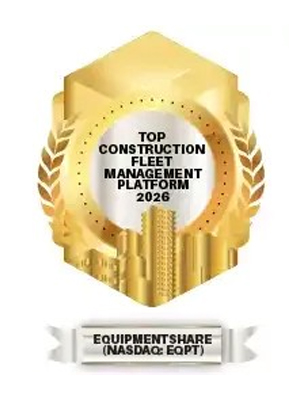
EquipmentShare’s recognition as the Top Construction Fleet Management Platform 2026 reflects the qualities that distinguish its approach to construction technology. Its significance lies in connecting data to the everyday decisions that influence fleet performance and jobsite efficiency.
Construction Fleet Management Platforms Info
Q1
What Do Construction Fleet Management Platforms Do?
Construction Fleet Management Platforms help contractors track equipment, monitor utilization and coordinate maintenance across multiple jobsites. These systems combine GPS tracking, telematics and reporting tools to show where machinery is located and how frequently it is used. Fleet managers can review equipment availability, identify idle assets and plan servicing based on recorded activity. Centralized information also reduces dependence on manual updates from individual sites, making it easier to allocate machinery according to changing project requirements.
Q2
How Does EquipmentShare Connect Equipment and Fleet Data?
EquipmentShare provides Construction Fleet Management Platforms through T3, its proprietary technology system connecting equipment, people and jobsite information. Founded by brothers Jabbok and Willy Schlacks, the company combines equipment rentals with fleet management technology. T3 uses asset trackers to capture GPS locations, engine mileage and utilization data across owned and rented equipment. Its Fleet Map displays individual assets and related information, while Bluetooth tags help contractors locate smaller tools and attachments that are often difficult to track.
Q3
Why Is Equipment Utilization Important in Construction Fleet Management?
Construction Fleet Management Platforms help contractors understand whether equipment is being used effectively. A machine may remain assigned to one project while recording little productive activity, even when another jobsite needs similar equipment. Utilization reports reveal these differences and help managers make better allocation decisions. Comparing engine hours, idle time and equipment activity can also inform rental and purchasing decisions. Regular monitoring helps companies identify underused assets before unnecessary rental expenses or scheduling difficulties accumulate.
Q4
What Should Contractors Consider When Choosing Fleet Management Software?
Contractors evaluating Construction Fleet Management Platforms should consider compatibility with existing machinery, reporting capabilities, maintenance tools and ease of use. A suitable system should support equipment from different manufacturers and provide visibility across owned and rented fleets. GPS tracking alone may not offer enough information for effective decisions. Managers should also examine how utilization is measured, whether alerts can be customized and how easily employees can access equipment records. Reliable technical support and straightforward implementation are equally important.
Q5
How Does EquipmentShare Help Contractors Manage Maintenance and Equipment Security?
EquipmentShare strengthens Construction Fleet Management Platforms by bringing maintenance records, inspections and equipment monitoring into T3. Its maintenance reports identify overdue servicing and machines approaching service thresholds. A unified interface also allows users to review work orders and inspections together. For security, geofencing establishes digital boundaries around designated locations, with SMS and email alerts for specified equipment movements. EquipmentShare's technology supports more than 430 rental, retail and service locations across 45 states and processes over six billion data points daily.
Q6
How Can Fleet Management Technology Improve Construction Project Efficiency?
Construction Fleet Management Platforms support project efficiency by helping contractors coordinate equipment availability, servicing and deployment. When managers can identify idle machinery, they may be able to move existing assets between projects instead of arranging additional rentals. Maintenance alerts also make it easier to schedule inspections and servicing before problems disrupt operations. Digital records improve coordination between fleet managers and field teams. These benefits depend on accurate information and timely action, but they provide a stronger basis for controlling equipment-related costs.
| Share this Article: Tweet |
Company
EquipmentShare (NASDAQ: EQPT)
Management
Jabbok Schlacks, CEO
Description
EquipmentShare provides construction equipment rentals and fleet management technology through its proprietary T3 platform. Its connected hardware and software enable contractors to track assets, monitor utilization and manage maintenance across owned and rented equipment, supporting informed fleet management decisions.
Top
