
THANK YOU FOR SUBSCRIBING
× 
Construction Tech Review Weekly Brief
Be first to read the latest tech news, Industry Leader's Insights, and CIO interviews of medium and large enterprises exclusively from Construction Tech Review

Park Construction Company
Jeff Slusser, VP of Safety and People
Building People, Not Just Projects
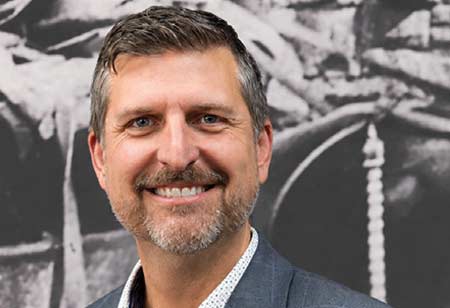
Jeff Slusser
Construction companies spend an enormous amount of time planning how to build projects. We evaluate schedules, equipment needs, labor requirements, production rates, risk, costs and countless other variables before work begins.
Yet one of the most important resources required to successfully execute that work often receives far less deliberate planning: our people.
For years, the construction industry has talked about the workforce shortage. The conversation usually focuses on recruiting. Where will the next operators, laborers, mechanics, foremen, superintendents and project managers come from?
Recruiting matters, but I believe we are overlooking a larger issue.
The workforce challenge is also a leadership, development and culture problem.
Construction companies cannot simply wait for experienced employees and leaders to walk through the door. We also cannot expect today's workforce to respond to the same leadership practices that may have been accepted five or ten years ago. The industry has to adapt.
Good Employees Need More Than a Paycheck
Like many organizations, we have lost good employees over the years who we should have been able to retain.
Sometimes we failed to support them professionally. Sometimes we failed to support them personally. In other situations, we simply did not provide enough guidance, feedback, appreciation or clarity about what was expected of them.
That raises an important question: how does an employee know whether they are doing well or need to improve if we are not having those conversations?
People should not have to guess.
Employees need feedback, development opportunities and recognition. They also need leaders who demonstrate genuine care when life outside of work becomes difficult.
None of that eliminates accountability. In fact, I believe it makes accountability more effective because employees understand that leadership is invested in their success.
Alignment Matters More Than Policies
We have also learned that having core values written on a wall or printed in a handbook is not enough. The entire leadership team has to live them.
If an organization says people come first, every leader has to understand what that means and make decisions accordingly. Employees should receive consistent guidance regardless of which superintendent, project manager, safety professional or executive they are dealing with.
When leadership is not aligned, employees live in constant ambiguity.
“We already know how to build complicated things. Our next competitive advantage will come from becoming just as intentional about building people.”
Imagine a foreman who has been told that safety is a core value and is working hard to keep a project safe. The project begins losing money. A project manager arrives and encourages the crew to accept additional risk to improve production.
Later, a superintendent or safety professional identifies the unsafe condition and holds the foreman accountable.
Now the foreman is caught between conflicting expectations.
Do they explain that the project manager directed them to take the risk? Will that affect how the project manager views them? Will they be considered difficult? Will they be brought back next season?
Employees should never have to navigate that kind of contradiction.
Safety, production, quality, profitability and people cannot be treated as competing priorities depending on who happens to be leading the job that day. Leaders may have different responsibilities, but the organization's expectations must remain consistent.
Frontline Leadership Shapes the Employee Experience
For many field employees, their direct supervisor represents the company.
That supervisor influences whether expectations are clear, whether employees feel comfortable raising concerns, whether good work is recognized, whether poor performance is addressed and whether employees believe they have a future with the organization.
This is where safety, retention, culture, production and quality intersect.
Strong leaders communicate. They coach. They hold people accountable. They show appreciation. They develop employees. They address problems early. Most importantly, they demonstrate through their decisions that the organizations’ stated values actually mean something.
Building People is a Business Strategy
Construction companies are disciplined organizations. We plan complex work, manage significant risk, coordinate hundreds of variables, and solve difficult problems every day.
We need to apply that same discipline to developing and supporting people.
That means creating clearer career paths, improving onboarding, developing supervisors, providing frequent feedback, recognizing good performance, supporting employees through difficult situations, and ensuring leaders are aligned around the same values and expectations.
We are seeing that when people genuinely come first, the benefits extend well beyond employee morale.
Retention improves. Safety improves. Production improves. Quality improves. Ultimately, the bottom line improves.
The construction companies that succeed in the future will not simply be those that recruit the most people. They will be the companies that create environments where good people want to stay, grow, contribute and eventually lead others.
We already know how to build complicated things.
Our next competitive advantage will come from becoming just as intentional about building people.
The articles from these contributors are based on their personal expertise and viewpoints, and do not necessarily reflect the opinions of their employers or affiliated organizations.
Top
